Invicta User Manual: A Comprehensive Guide
Invicta timepieces offer diverse functions‚ extending beyond basic timekeeping; this manual details setting time‚ date‚ chronograph operation‚ and essential maintenance procedures․
Understanding your Invicta watch’s features‚ including subdials and indicators‚ ensures optimal use and longevity‚ as outlined in this comprehensive guide․

Invicta watches represent a compelling blend of Swiss precision and bold American style‚ offering a diverse range of timepieces for every enthusiast․ From robust dive watches to sophisticated dress watches‚ Invicta consistently delivers quality and innovation․ This user manual serves as a comprehensive guide to understanding and operating your Invicta watch‚ ensuring you can fully appreciate its features and maintain its performance․
Many Invicta watches boast features extending beyond simple time and date display․ These include chronograph functions‚ displayed on subdials‚ indicators‚ and counters‚ providing precise timing capabilities․ Whether you own a Quartz or Automatic model‚ understanding these functions is key to maximizing your watch’s potential․ This guide will walk you through setting the time and date‚ operating the chronograph‚ and performing essential maintenance‚ like cleaning and understanding water resistance․
Invicta’s commitment to quality means your watch is built to last‚ but proper care is crucial․ This manual provides detailed instructions for resetting the watch after a battery replacement and offers troubleshooting tips for common issues․ We aim to empower you with the knowledge to enjoy your Invicta watch for years to come․
Understanding Invicta Watch Functions
Invicta watches often incorporate a variety of functions beyond simply displaying the time․ These are frequently presented on “subdials‚” also known as indicators‚ counters‚ or zones‚ enhancing the watch’s utility․ Familiarizing yourself with these components is essential for effective operation․
Chronograph functions‚ common in many Invicta models‚ allow for precise timing of events․ Understanding how to start‚ stop‚ and reset the chronograph‚ as well as accurately reading the measurements displayed on the subdials‚ is crucial․ Quartz and Automatic movements operate differently‚ so specific instructions for your model are vital․
The crown plays a central role in accessing and adjusting these functions․ Pulling the crown to different positions typically unlocks various settings‚ such as date adjustment and time setting․ This manual will detail the specific procedures for your Invicta watch‚ ensuring you can confidently utilize all its features․ Proper understanding prevents accidental adjustments and maximizes the watch’s lifespan․
Types of Invicta Watches Covered
This manual aims to provide guidance for a broad spectrum of Invicta timepieces‚ though specific functionalities may vary between models․ We will primarily focus on Invicta watches featuring quartz and automatic movements‚ the most prevalent types within their collections․
Quartz watches‚ powered by a battery‚ offer precision and reliability‚ requiring minimal maintenance beyond battery replacements․ Automatic watches‚ conversely‚ are mechanically driven by the wearer’s motion‚ demanding regular wear to maintain accuracy․
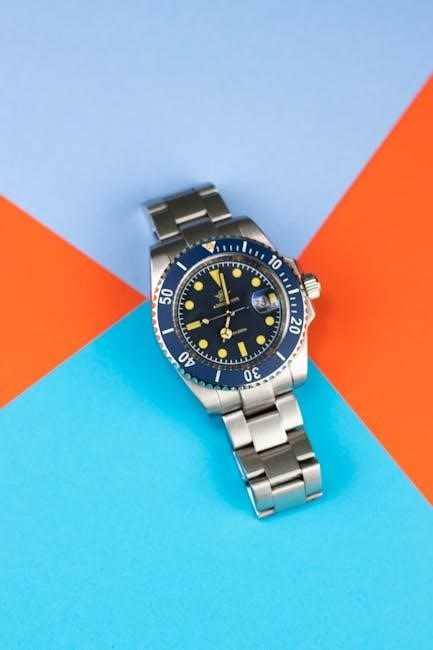
The popular Invicta Pro Diver series‚ including the 8926OB‚ will receive dedicated attention due to its widespread popularity and unique features․ However‚ the core principles outlined here are generally applicable to many other Invicta models․ This guide will help you navigate the intricacies of your specific watch‚ ensuring optimal performance and enjoyment․
Setting the Time
Accurate timekeeping is fundamental; this section details procedures for both Invicta quartz and automatic watches‚ ensuring precise synchronization with a reliable time source․
Setting the Time on Quartz Invicta Watches
Quartz Invicta watches rely on battery power for precise timekeeping‚ making the setting process straightforward․ Begin by gently pulling the crown out to its first position – this typically disengages the stem from the movement‚ allowing for time adjustment․ Rotate the crown clockwise or counterclockwise to move the hands to the desired time․
Pay close attention to the date change mechanism; avoid setting the time during the date change cycle (usually between 9 PM and 3 AM) to prevent potential damage․ Once the correct time is achieved‚ push the crown back to its original position․ Ensure it’s fully seated to maintain water resistance․
If the watch stops functioning after a battery replacement‚ a reset procedure might be necessary‚ as detailed in the ‘Resetting After Battery Replacement’ section․ Remember‚ these instructions apply to watches with standard time functions․
Setting the Time on Automatic Invicta Watches
Automatic Invicta watches are powered by the motion of your wrist‚ eliminating the need for batteries․ To set the time‚ gently pull the crown out to its first position․ This disengages the automatic winding mechanism‚ allowing manual adjustment․ Rotate the crown clockwise or counterclockwise until the desired time is displayed․
Unlike quartz models‚ avoid quick-setting the date on automatic watches while adjusting the time‚ as this could damage the delicate movement․ Instead‚ advance the time past midnight to allow the date to change naturally․ Once the correct time is set‚ carefully push the crown back to its original position․
The watch will resume automatic winding with your movement․ If it stops‚ a gentle shake can restart it․ Refer to the ‘Synchronizing Time’ section for achieving precise accuracy․
Synchronizing Time with a Reference Time Source
Achieving precise timekeeping with your Invicta requires occasional synchronization with a reliable time source․ Utilize official time websites‚ atomic clocks‚ or a trusted time server for accuracy․ After setting the initial time (following instructions for quartz or automatic models)‚ monitor your watch’s performance over 24-48 hours․
Compare your Invicta’s time with the reference source․ If there’s a discrepancy‚ carefully adjust the time again‚ noting the gain or loss per day․ For automatic watches‚ ensure consistent wear to maintain power and accuracy․ Slight variations are normal‚ but significant deviations may indicate a need for professional servicing․
Regular synchronization ensures your Invicta remains a dependable timekeeping companion․ Remember to consider time zone adjustments when traveling‚ and always push the crown fully in after setting․
Date Adjustment
Invicta watches feature distinct date adjustment procedures depending on whether they are quartz or automatic models; the crown controls this function․
Carefully follow the specific instructions for your model to accurately set the date and avoid potential damage․
Adjusting the Date on Quartz Models
Quartz Invicta watches typically allow date adjustment by pulling the crown out to the first or second position‚ depending on the specific model․ Ensure the crown is fully extended before attempting any adjustments․ Gently rotate the crown counterclockwise to decrease the date and clockwise to increase it․ It’s crucial to avoid changing the date during the hours between 9 PM and 3 AM‚ as this could potentially damage the date mechanism․
During this period‚ the date-changing gears are in motion‚ and forcing a change can lead to irreversible damage․ If you accidentally start adjusting the date during these hours‚ allow it to complete its cycle before attempting to set it again․ After setting the correct date‚ push the crown back to its original position to secure the setting․ Always double-check the date to confirm accuracy․ Remember to synchronize the time after adjusting the date for optimal precision․
Refer to your specific model’s instructions for any variations in this process․
Adjusting the Date on Automatic Models
Automatic Invicta watches require a slightly different approach to date adjustment․ Typically‚ you’ll pull the crown out to the first position – this is often a ‘quick-set’ date function․ Rotate the crown clockwise to advance the date․ Avoid reversing the direction‚ as this can potentially damage the mechanism․ As with quartz models‚ it’s best to avoid adjusting the date between 9 PM and 3 AM to prevent damage to the delicate internal gears․
If your model doesn’t have a quick-set function‚ you may need to advance the time past midnight several times to change the date․ Once the desired date is displayed‚ carefully push the crown back to its original position․ Ensure it’s fully seated to maintain water resistance․ Regularly winding your automatic watch will ensure consistent and accurate date and timekeeping․ Always consult your specific model’s instructions for precise guidance․
Proper care will prolong the life of your timepiece․
Using the Crown for Date and Time Setting
The crown is your primary interface for setting both the date and time on your Invicta watch․ Generally‚ pulling the crown out to the first position allows for date adjustment – rotate it clockwise to advance the date․ Pulling it further‚ to the second position‚ enables time setting․ Rotate the crown to move the hands to the desired time․ Remember to synchronize with a reliable time source for accuracy․
Before setting the time‚ ensure the date is correctly positioned․ Avoid changing the date between 9 PM and 3 AM‚ as this can strain the movement․ Once the time is set‚ gently push the crown back to its original‚ fully seated position to maintain water resistance․ Different Invicta models may have slight variations in crown functionality‚ so always refer to the specific instructions for your watch․
Proper crown operation is crucial for maintaining your watch’s precision․
Chronograph Functions
Invicta chronographs utilize subdials‚ indicators‚ and counters to measure elapsed time; mastering these functions involves starting‚ stopping‚ resetting‚ and accurately reading measurements․
Understanding Subdials and Indicators
Invicta watches often feature multiple subdials‚ also known as indicators‚ counters‚ or zones‚ which display additional information beyond the primary hour and minute hands․ These aren’t merely decorative; they are integral to the chronograph and other complex functions․ Recognizing each subdial’s purpose is crucial for accurate time measurement and watch operation․
Typically‚ a smaller dial will track seconds‚ while others might indicate elapsed minutes or even hours․ Some models include a 24-hour indicator‚ useful for discerning AM/PM․ Understanding the specific layout of your Invicta model is key – consult the watch face closely․ These components work in harmony‚ providing a detailed breakdown of time intervals․ Familiarizing yourself with these features unlocks the full potential of your Invicta timepiece‚ allowing for precise timing and a deeper appreciation of its craftsmanship․
Knowing these elements will be useful when operating the chronograph features‚ ensuring accurate readings and efficient use of the watch’s capabilities․
Starting‚ Stopping‚ and Resetting the Chronograph
To initiate the chronograph function on your Invicta watch‚ typically‚ you’ll press the upper pusher button․ This starts the seconds hand sweeping‚ beginning the timing sequence․ Pressing the same button again will halt the timing‚ effectively ‘stopping’ the chronograph‚ while the hands will remain fixed on the elapsed time․
To record the measured time‚ observe the subdials indicating seconds‚ minutes‚ and potentially hours․ Finally‚ to reset the chronograph to zero‚ press the lower pusher button․ This will return all chronograph hands to their starting positions‚ ready for a new measurement․ It’s important to note that the main timekeeping function of the watch continues uninterrupted during chronograph operation․
Practice these steps to become proficient in utilizing the chronograph‚ ensuring accurate timing for various activities․ Remember to fully reset the chronograph after each use․
Reading Chronograph Measurements
Understanding the subdials is crucial for accurately reading chronograph measurements on your Invicta watch․ These are often referred to as indicators‚ counters‚ or zones‚ displaying elapsed time in various units․ The largest subdial typically measures seconds‚ showing elapsed seconds up to 60․ Smaller subdials indicate elapsed minutes‚ often up to 30 or 60‚ and sometimes hours․
To interpret the measurements‚ observe where the chronograph hands point on each subdial․ For example‚ if the seconds hand on the minute subdial points to ‘30’‚ it indicates 30 elapsed minutes․ Similarly‚ the hour subdial will show elapsed hours․
Familiarize yourself with the specific layout of your model‚ as the arrangement of subdials can vary․ Accurate reading requires a clear understanding of each subdial’s function and scale․

Resetting After Battery Replacement
After a battery change‚ press button 83 for five seconds to position the second hand at 12:00; then‚ incrementally press 83 to restart․
Procedure for Resetting the Second Hand
Following a battery replacement in your Invicta watch‚ particularly quartz models‚ the second hand may not immediately return to the twelve o’clock position․ This is a common occurrence and requires a simple reset procedure to ensure accurate timekeeping․ Begin by fully depressing the button‚ often designated as button 83‚ and hold it down continuously for approximately five seconds․
This action initiates the reset sequence‚ prompting the second hand to move and align itself with the 12:00 marker․ If‚ after the initial five-second press‚ the hand doesn’t move‚ continue to press button 83 incrementally – short‚ individual presses – until the second hand jumps to the correct starting position․ This process effectively re-synchronizes the movement and prepares the watch for accurate time setting․ Ensure the battery is correctly installed and making proper contact before attempting the reset․
Troubleshooting Reset Issues
If the second hand fails to reset after attempting the standard procedure – holding button 83 for five seconds‚ followed by incremental presses – several factors might be at play․ First‚ verify the new battery is correctly installed‚ ensuring proper polarity and secure contact within the battery compartment․ A loose connection can prevent the reset function from operating correctly․
Secondly‚ confirm the battery itself is fully charged and of the correct type for your Invicta model․ A weak or incompatible battery can cause erratic behavior․ If the issue persists‚ gently tap the watch crystal against a soft surface; this can sometimes dislodge a stuck component․ If none of these steps resolve the problem‚ professional servicing may be required‚ as an internal component could be malfunctioning․ Avoid forceful manipulation‚ which could damage the watch movement․

Watch Care and Maintenance
Regular cleaning with a soft cloth‚ avoiding harsh chemicals‚ preserves your Invicta’s appearance․ Be mindful of water resistance limits and store your timepiece securely․
Cleaning Your Invicta Watch
Maintaining your Invicta watch’s pristine condition requires regular‚ gentle cleaning․ Use a soft‚ lint-free cloth – ideally microfiber – to wipe away dust‚ dirt‚ and fingerprints from the case‚ crystal‚ and bracelet․ Avoid abrasive materials or harsh chemicals‚ as these can scratch the surfaces or damage the water resistance seals․
For more stubborn grime‚ lightly dampen the cloth with lukewarm water․ Never submerge the watch in water unless it’s specifically rated for swimming or diving․ Pay particular attention to the areas where the bracelet connects to the case‚ as these are prone to accumulating dirt and debris․
If your Invicta has a leather strap‚ use a specialized leather cleaner and conditioner to keep it supple and prevent cracking․ For metal bracelets‚ a soft brush can help remove dirt from between the links․ Always ensure the crown is securely screwed down (if applicable) before cleaning‚ and dry the watch thoroughly after cleaning;
Water Resistance and Precautions
Invicta watches offer varying degrees of water resistance‚ indicated by ATM (atmospheres) or meters․ Understand your watch’s rating before exposing it to water․ 30M/3ATM resists splashes‚ but not immersion․ 50M/5ATM is suitable for brief immersion‚ like showering‚ but not swimming․ 100M/10ATM is appropriate for swimming and snorkeling‚ while 200M/20ATM+ is for scuba diving․
However‚ water resistance isn’t permanent․ Seals can degrade over time due to wear and tear‚ or from impacts․ Avoid operating the crown or pushers while underwater‚ as this can compromise the seals․ Regularly have your watch’s water resistance checked by a qualified watchmaker‚ especially after battery replacements․
Temperature fluctuations can also affect water resistance․ Avoid extreme temperatures and rapid changes․ Saltwater is particularly corrosive; rinse your watch with fresh water after exposure․ Remember‚ water resistance is a preventative measure‚ not a guarantee against water damage․
Storage Recommendations
Proper storage significantly extends your Invicta watch’s lifespan․ When not wearing your watch‚ store it in a cool‚ dry place‚ away from direct sunlight and extreme temperatures․ A dedicated watch box or pouch is ideal‚ protecting it from dust‚ scratches‚ and potential impacts․
For automatic watches‚ consider using a watch winder if you don’t wear it frequently․ This keeps the movement running‚ preventing the oils from settling and ensuring accurate timekeeping․ Avoid storing your watch near strong magnetic fields‚ as these can magnetize the movement and affect its performance․
If storing for an extended period‚ fully wind manual watches before storage․ Regularly check the condition of the strap or bracelet‚ and clean it as needed․ Proper storage preserves your Invicta’s beauty and functionality for years to come․

Specific Model Instructions (Pro Diver 8926OB)
The Invicta Pro Diver 8926OB requires specific attention to its automatic movement; user guides and video tutorials are readily available online for detailed instructions․
Detailed Guide for Pro Diver 8926OB
The Invicta Pro Diver 8926OB‚ a popular automatic model‚ demands understanding of its unique features․ Setting the time involves pulling the crown to the first position for date adjustment and the second for time setting – ensure the date changes smoothly․
This model doesn’t have a hacking second hand‚ meaning the seconds hand continues running while adjusting the time․ Winding the watch manually (approximately 40 turns) when it hasn’t been worn for a while is crucial to maintain power reserve․
The unidirectional rotating bezel is for timing dives‚ not for counting down; always turn it counter-clockwise․ Water resistance is 200 meters‚ but avoid hot water and harsh chemicals․ Regularly inspect the crown and case for damage․ Remember‚ automatic movements rely on wrist motion to stay wound‚ so consistent wear is recommended․ Consult video tutorials for visual guidance on these procedures․

Common Issues and Solutions for 8926OB
The Invicta Pro Diver 8926OB can occasionally exhibit issues․ A common problem is the watch stopping – ensure it’s adequately wound or worn regularly․ If it still halts‚ a service might be needed․ Date not changing correctly often indicates incorrect crown operation; revisit the setting instructions․
Condensation under the crystal suggests compromised water resistance; avoid further water exposure and seek professional repair․ A sluggish or sticking bezel can usually be resolved with a gentle cleaning and lubrication (avoiding harsh chemicals)․
If the second hand doesn’t align perfectly after setting‚ it’s normal for automatic movements․ For a reset after battery replacement (though less common in automatics)‚ pressing button 83 for 5 seconds can help․ Always prioritize professional servicing for complex issues to preserve the watch’s functionality and longevity․